CASE STUDY · AI ENABLEMENT

A secure AI knowledge agent for Confluence – answers in seconds

In short: A global sportswear leader had knowledge scattered across many Confluence pages and spaces. We built an AI knowledge agent (RAG) on Anthropic Claude Sonnet in Amazon Bedrock: natural-language questions, answers in seconds with source links, and access enforced by the user's permissions. The result: faster access to knowledge, onboarding support and decisions based on current information.
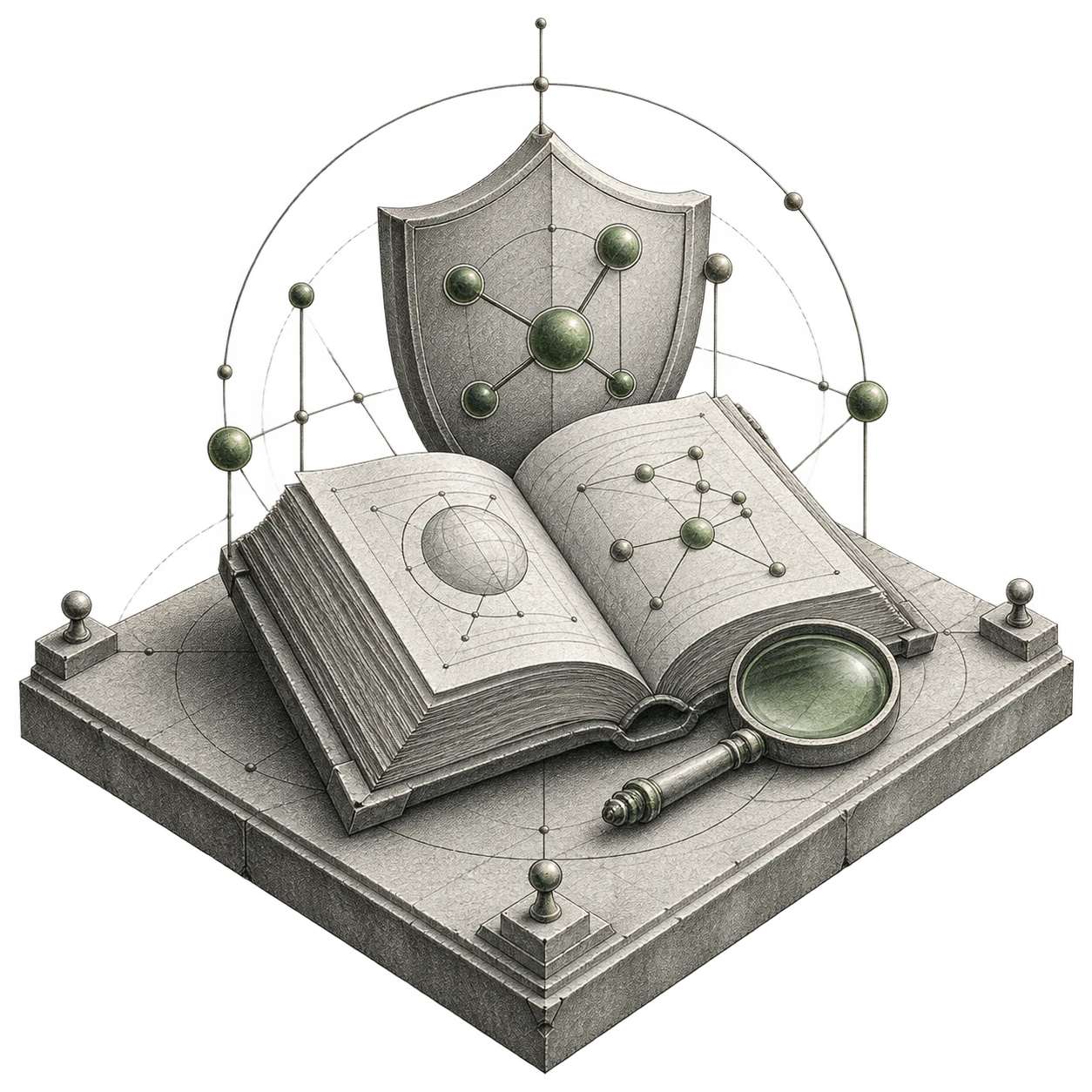
Open stone book with a shield and a magnifying glass — a secure AI knowledge agent for Confluence

Client context

A global market leader in sportswear, using Confluence as its organizational knowledge repository. Information was spread across many spaces and pages, making it hard for employees to quickly find answers to everyday questions.

The challenge

Knowledge scattered across Confluence spaces – long time-to-answer and a risk of relying on outdated content.
No consistent source confirmation made answers hard to verify and discrepancies hard to explain.
Limited observability of usage and answer quality slowed iterative improvement.
Risk of exposing unauthorized content required access control and data privacy across the whole flow.
A shorter 'question to decision' path was needed (onboarding, operational questions) without manually maintaining FAQs.

How we worked

RAG architecture

– integrating Confluence with a language model served through Amazon Bedrock.

Content ingestion and retrieval

– ingestion, indexing and contextual retrieval for near-real-time answers.

Access control (privacy by design)

– filtering content and answers according to the user's permissions.

Citation standardization

– links to source Confluence pages for verifiability.

Operational foundations

– monitoring, logging, incident handling and answer-quality maintenance; prioritizing use cases with the business.

What we delivered

A RAG flow for Confluence content – answers grounded in current documentation.
Context building (retrieval + fragment selection) reducing hallucinations and improving accuracy.
Security policies and access control – answers generated only within the user's permission boundaries.
A standardized format with citations and source links – transparency and quick deep-dives.
Quality standards (source requirement, content versioning, acceptance criteria), telemetry and logs, plus a release and maintenance process with change validation.

Stack:

RAGClaude Sonnet (Amazon Bedrock)LangGraphConfluenceAccess controlAWS

The outcome

Shorter time-to-answer for operational questions – searching and interpreting Confluence content in natural language (answers in seconds).
Higher verifiability – automatic links to source pages reduce decisions based on unsourced content.
Compliance with data-privacy rules – permission-based access for both retrieved content and generated answers.
Support for onboarding and daily teamwork, without maintaining manual FAQs.

What the client says

"The AI agent became our main access point to organisational knowledge. People find what they need in seconds – with verified answers, backed by a source."

– Head of Digital Transformation, DAX-listed global sportswear leader

FAQ

Does the AI agent show content a user isn't allowed to see?+

No. Access is enforced by the user's permissions (privacy by design) – for both retrieved content and generated answers.

How do you know an answer is reliable?+

Every answer includes links to the source Confluence pages, so it can be verified and explored further.

Which language model powers the agent?+

Anthropic Claude Sonnet, served through Amazon Bedrock, running in a RAG architecture – answers grounded in current documentation.

Contact

Is your knowledge scattered and do employees lose time searching for it?

Start with a free 30-minute review.

Book a 30-minute review